

Taking on your first renovation or extension is exciting — but it can also feel daunting. Between design decisions, planning permission, budgeting and choosing the right team, it’s easy to feel unsure about where to begin. One of the most important early decisions you’ll make is how to procure your building work: in other words, how you bring together the professionals who will design, manage and build your project.
There’s no single “correct” route. Each approach has its strengths, and the best choice depends on how involved you want to be, how confident you feel managing a project, and the level of support you’d like along the way.
Below, we break down the three most common routes homeowners take — including a collaborative option that many people don’t realise is available.
1. The Traditional Route: Architect First
Many homeowners begin by approaching an architect. This is the classic route and still works well for many projects.
How it works
Your Options at This Stage
Once planning approval is granted and the drawings are ready, you’ll need to decide how the construction phase will be managed. There are two main routes:
Option 1: Manage the Tendering and Construction Yourself
This means you take on the role of project manager.
You’ll be responsible for:
Pros
Cons
Option 2: Ask the Architect to Oversee the Construction Phase
If you prefer professional support, you can appoint your architect to administer the contract and oversee the build.
Your architect will:
Pros
Cons
Communication can feel more formal or slower due to the structured process.

3. The Collaborative Route: Involving a Builder From the Very Start
This is a route many homeowners don’t realise is available — but it’s becoming increasingly popular because it offers clarity, efficiency and a more joined‑up experience.
Instead of waiting until the architect has completed the design, you involve a builder right at the beginning of your renovation journey. Companies like CG Building & Restoration offer this collaborative approach to help homeowners feel supported from day one.
How this route works
From the first conversation, you share your ideas, priorities and desired outcomes with the builder. Early involvement allows the builder to:
If your project requires a structural engineer, they can be brought into the team at the appropriate stage.
Addressing the Big Worry: “But if I don’t tender, how do I know I’m getting value for money?”
This is one of the most common concerns homeowners have — and it’s completely understandable. Tendering gives the illusion of certainty because you can compare numbers side by side. But in reality, tendering can be misleading if:
These gaps often lead to:
Early collaboration actually reduces these risks.
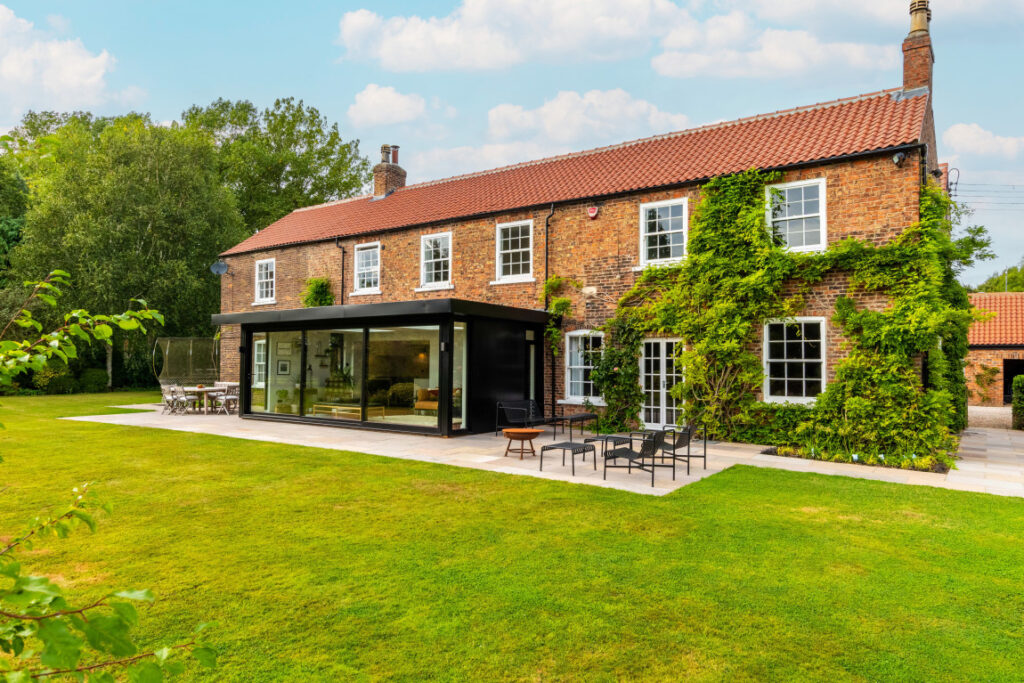
Why going direct from the start can save time and money
This route relies on choosing a builder you trust — someone who communicates clearly, understands your priorities and is committed to transparency. For many homeowners, that trust and continuity are worth far more than a spreadsheet of tender prices that may not be directly comparable.
Which Route Is Right for You?
Every project and homeowner is different. The key is choosing a procurement route that matches your confidence level, your availability and the complexity of your build.
If you want early cost clarity, joined‑up communication and a smoother journey, involving a builder like CG from the start can be a great fit.
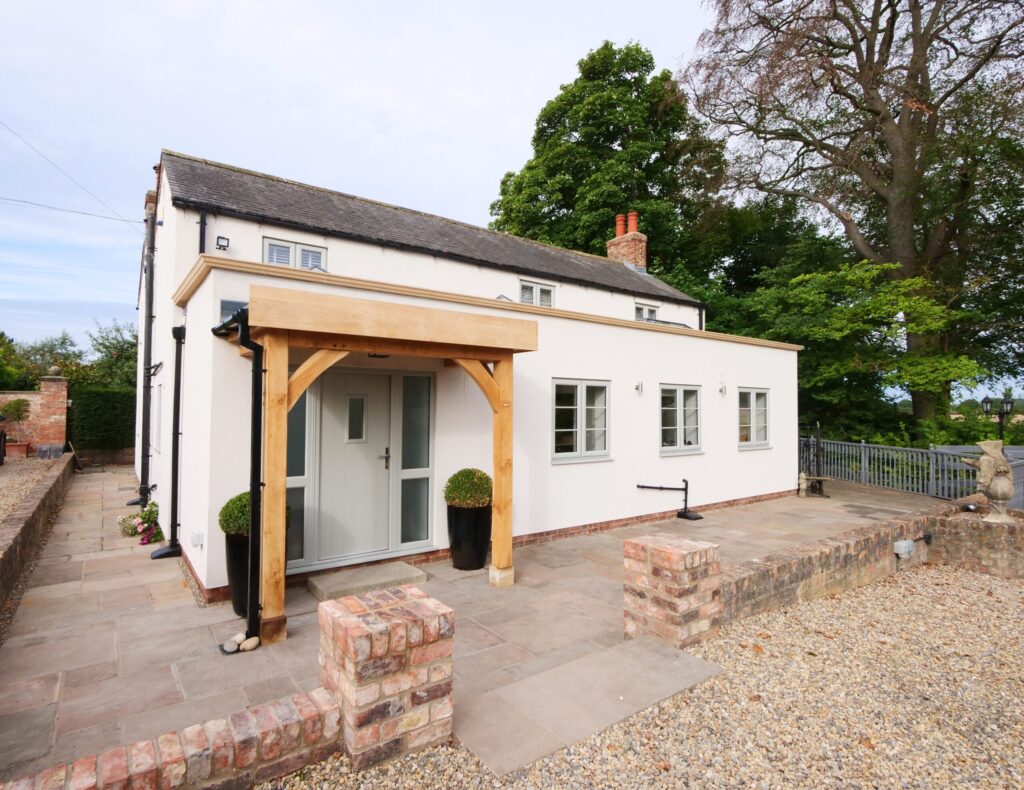
Thinking About Your First Renovation?
No matter which procurement route feels right for you, CG Building & Restoration can support your project.
We regularly work with homeowners who come to us with planning approval and drawings already in place, and we’re experienced in taking projects forward smoothly through the construction phase with minimal architectural involvement. We’re also happy to tender for projects that align with our specialisms and where we know we can deliver exceptional results.
For homeowners who prefer a more collaborative journey, we also offer the option of involving us right at the start. This early‑involvement approach can provide clearer budgeting, more efficient design development and greater transparency — but it’s just one of several routes available.
Whichever path you choose, our focus remains the same:
clear communication, honest guidance, and a build delivered to the highest standard.
If you’re beginning to plan your renovation or extension and want to understand which route might suit your project best, we’re always happy to talk things through and help you take the next step with confidence.